



Sicilian Salted Ricotta: A Complete Guide to Choosing, Storing, and 10 Uses in the Kitchen
- Details
- Hits: 53

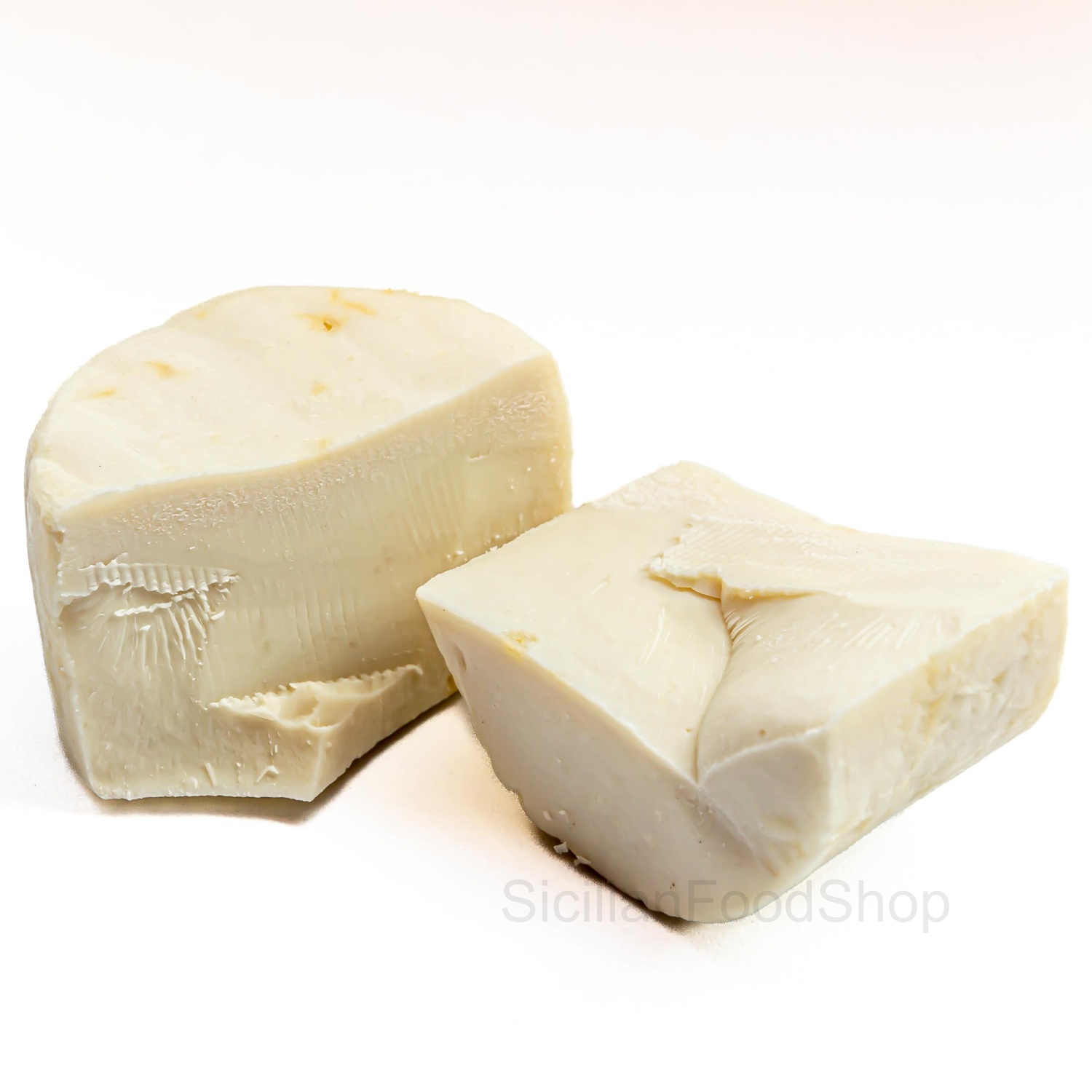
Introduction: The White Gold of Sicily
Ricotta salata is much more than just a cheese: it's a concentration of Sicilian pastoral tradition, an ingredient whose savory granules encapsulate the scent of Mediterranean herbs grazed by the sheep, the ancient wisdom of cheesemakers, and the power of the sun that ages it. While fresh ricotta is soft and delicate, its salted and dried version is the bold and distinctive soul of many iconic Sicilian dishes, starting with the legendary Pasta alla Norma .
In this comprehensive guide, we'll take you on a journey that begins with the informed choice of the best product, continues with proper storage to preserve its qualities, and culminates with 10 practical uses ranging from authentic tradition to contemporary creativity. Together, we'll discover why this cheese is unique and how to make the most of it in the kitchen.
1. What Is Ricotta Salata Really?
Contrary to what its name might suggest, salted ricotta is not simply fresh ricotta to which salt has been added . It is a completely different product, obtained through a specific process:
The traditional production process:
-
Fresh sheep's ricotta (occasionally cow's or mixed) is drained
-
It is salted manually or in brine
-
It undergoes maturation from 1 to 12 months
-
During maturation, it loses moisture and develops the typical grainy consistency
Distinguishing features:
-
Consistency: Hard and grainy, not creamy
-
Taste: Decidedly salty, with mineral and sheep's milk notes
-
Color: Pure white inside, yellowish rind if matured
-
Aroma: Intense, of stables and pastures
2. How to Choose Quality Ricotta Salata: 5 Fundamental Parameters
① Look: The Visual Appearance
-
Internal color: Milky white, uniform, without grayish spots
-
Crust (if present): Natural, not excessively yellow (sign of colorants)
-
Structure: It should appear compact but not massive
-
Granularity: Pressed ricotta granules should be distinguishable
② Touch: The Consistency
-
Hardness: It must be firm but not stony
-
Crumbliness: Should crumble slightly under pressure
-
Humidity: Surface dry but not dusty
③ Smell: The Perfume
-
Animal notes: Slight hint of stable/wool (not unpleasant)
-
Dairy: Memories of pasteurized sheep's milk
-
Herbaceous: Hints of aromatic pasture herbs
-
To avoid: Acidic, ammoniacal or rancid odors
④ Taste: The Flavor (if possible, taste)
-
Savory: Decisive but not aggressive
-
Aftertaste: Pleasantly persistent
-
Mouthfeel: Melts slowly releasing complex flavors
⑤ Read: The Label
Look for these directions:
-
"Sicilian sheep" (guarantees the origin)
-
"Artisan product" or "DOP" if available
-
Maturing: Minimum 30 days, optimal 3-6 months
-
Geographical origin: Enna, Ragusa, Palermo are areas of excellence
💎 Sicilian Pastry Chef's Advice:
* "For authentic Pasta alla Norma, choose a medium-aged salted ricotta (2-3 months): it will be hard enough to grate but will retain a pleasant creaminess on the palate. For salads and raw foods, prefer a shorter ageing (1 month)." *
3. Proper Storage: Step-by-Step Instructions
📦 As soon as you purchase:
-
Remove any plastic immediately
-
Wrap in parchment paper or cheese paper
-
Place in an airtight container
-
Store in the least cold part of the refrigerator (vegetable drawer)
❄️ In the refrigerator:
-
Ideal temperature: 4-6°C
-
Shelf life: Up to 3 months if whole, 1 month if grated
-
Weekly check: Check for mold growth
⚠️ Signs of Deterioration:
-
Surface mold (blue/green)
-
Intense ammoniacal odor
-
Excessive drying with deep cracks
-
Uniform yellowish color
⚡ Quick Tips:
-
Never in plastic: It sweats and molds
-
Never near smelly foods: Absorbs aromas
-
If it dries out too much: Use it grated or in cooking
Cosa ne pensi?
Inviaci un feedback!

 And then Add to Home Screen.